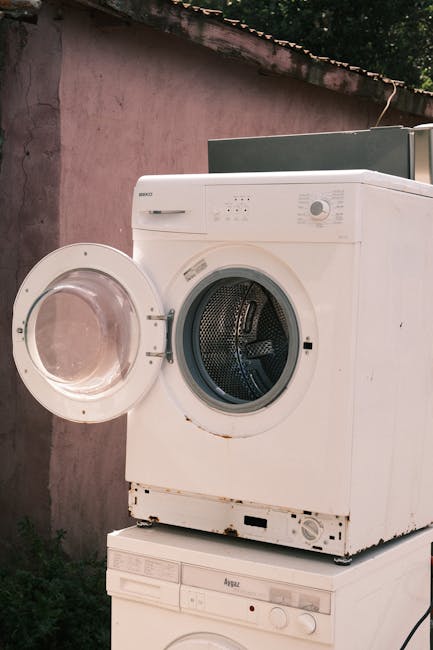
Appliance disposal during a New Cross move: options
Moving home in New Cross has a way of turning ordinary decisions into oddly big ones. The kettle, the washing machine, the old fridge that sounds like it's clearing its throat at 2 a.m. - suddenly each item needs a plan. Appliance disposal during a New Cross move: options is one of those jobs that looks simple until you're standing in a hallway, door propped open, wondering whether the dishwasher is worth taking, selling, donating, or sending for recycling.
The good news? You do have options. Better still, the best choice is usually less about guesswork and more about timing, condition, access, and how much disruption you want on moving day. In this guide, we'll walk through the practical routes, the common pitfalls, and the smartest ways to handle appliance disposal without letting it eat into your move. If you're already juggling decluttering and packing, you may also find this decluttering advice for movers useful alongside the steps below.
Let's face it: appliances are bulky, awkward, and rarely emotional in a tidy little way. They're either useful, expensive to move, or too worn out to justify taking. This article will help you decide, quickly and sensibly, which is which.
Table of Contents
- Why appliance disposal matters during a move
- How appliance disposal works in practice
- Key benefits and practical advantages
- Who this is for and when it makes sense
- Step-by-step guidance
- Expert tips for better results
- Common mistakes to avoid
- Tools, resources and recommendations
- Law, compliance and best practice
- Options, methods and comparison table
- Case study or real-world example
- Practical checklist
- Conclusion
- Frequently asked questions
Why Appliance disposal during a New Cross move: options Matters
Appliances are not just "stuff" you can tuck into a box and forget about. They affect the whole shape of a move. A washing machine needs disconnection and safe lifting. A fridge-freezer may need defrosting and drying time. A cooker can involve gas, electrics, and more care than people expect. Leave disposal too late and you can end up with a bottleneck right when you need your home to feel clear and manageable.
In New Cross, where many homes involve narrow staircases, basement levels, shared entrances, or awkward parking, appliance disposal becomes even more of a planning task. That doesn't mean it's complicated for the sake of it. It simply means you need to think in real-world terms: how will it leave the property, where will it go next, and who is responsible for moving it safely?
There's also a financial angle. Keeping an appliance "just in case" can cost you more in transport, labour, and time than replacing it later. On the other hand, dumping something that still has life in it can feel wasteful, especially if it could be donated or resold. The right option depends on condition, age, and practicality - not sentiment alone. A very human trap, that one.
Expert summary: The smartest appliance disposal plan is usually the one that reduces moving-day stress, protects access routes, and matches the condition of each item to the most sensible end point: keep, sell, donate, recycle, or remove.
How Appliance disposal during a New Cross move: options Works
The process is usually straightforward once you break it into decisions. First, sort each appliance into one of a few categories: keep, move, sell, donate, recycle, or dispose. Then assess whether the item is safe and practical to transport. After that, choose the route that suits the item and your timetable.
For example, a working washer that fits neatly into your new kitchen may be worth moving. A scratched but functional microwave might be easy to donate. A dead fridge that smells damp even after cleaning probably needs recycling rather than resale. If you've ever opened a long-idle freezer and caught that stale, forgotten smell - well, you know exactly why some items are better dealt with early. For freezers in particular, it can help to review proper freezer storage guidance if you're deciding whether to keep one in limbo for a while.
In practice, appliance disposal during a move often follows this sequence:
- Check the appliance's working condition.
- Confirm whether it is worth the moving cost.
- Decide if it should be kept, passed on, or removed.
- Arrange disconnection, cleaning, and safe handling.
- Choose the disposal route and complete it before or on moving day.
Timing matters more than people think. If you leave appliances until the last afternoon, you can end up with a half-empty kitchen, a disconnected cooker, and no clear route for getting the item out. That's when the job starts to feel heavy in every sense.
Key Benefits and Practical Advantages
Handling appliance disposal properly brings a lot of small benefits that add up quickly. The obvious one is less clutter. But there are a few others worth spelling out.
- Faster moving day: fewer bulky items means less time spent manoeuvring around doorways, stairs, and hallways.
- Lower risk of damage: appliances are one of the easiest things to scratch walls with or nick floors on.
- Cleaner handover: if you're leaving a property, clearing large appliances can help the place feel properly move-out ready. That fits neatly with these house move-out readiness tips.
- Better use of space: getting rid of a redundant appliance frees room in the van and often reduces the overall chaos.
- More sustainable choices: reuse and recycling are preferable to sending everything to waste.
There's a quieter advantage too: peace of mind. Once the appliance decision is made, you stop mentally carrying it around. That sounds small, but on moving week it makes a difference. You can feel the shift almost immediately. The kitchen starts to look less like a puzzle and more like a plan.
If your move is being managed alongside other bulky furniture, it can help to compare the whole load rather than each item in isolation. For larger household pieces, furniture removals support in New Cross may be relevant when you're working out what stays and what goes. And if access is tight, the right vehicle and handling approach matter a lot more than people expect.
Who This Is For and When It Makes Sense
This topic matters to almost anyone moving home, but it becomes especially useful in a few common situations.
- Renters moving out of flats: if your appliances are old or not worth transporting, disposal before handover can save stress.
- Homeowners downsizing: a smaller property may not need the same number or size of appliances.
- People replacing white goods: if you're upgrading, it rarely makes sense to move the old item as well.
- Households with awkward access: steep staircases, basement levels, and tight landings can make appliance removal a job best planned early. We've seen this kind of challenge come up often in tight staircase removals and basement flat moves.
- Urgent movers: when time is short, a clean decision tree matters. You may need same-day help rather than a drawn-out plan.
To be fair, not everyone needs a full disposal strategy. If you are taking only one appliance and the rest are already being left behind, the answer may be simple. But if you're shifting a whole kitchen's worth of white goods, it's worth planning properly rather than improvising on the day.
Step-by-Step Guidance
Here's a practical way to handle appliance disposal during a New Cross move without overcomplicating it.
-
Make a full appliance list.
Write down every major item: fridge, freezer, washing machine, dishwasher, tumble dryer, oven, cooker hood, microwave, and any smaller items you're questioning. A written list stops you forgetting the awkward bits.
-
Sort by condition.
Ask three things: does it work, is it clean enough to pass on, and is it worth the effort of moving? If the answer is no twice, the item probably belongs in the disposal pile.
-
Check what needs disconnecting.
Some appliances can be unplugged. Others may need more care. Gas and mains-connected items should be handled properly and only by someone suitably qualified where required. Don't wing it. Moving day is not the moment for a heroic DIY experiment.
-
Clean and prepare the appliance.
Empty contents, defrost if needed, wipe surfaces, tape or secure loose parts, and drain water from machines where appropriate. A clean appliance is easier to pass on and less unpleasant to handle. Nobody enjoys a damp, forgotten smell in a stairwell at 8 a.m.
-
Choose the disposal route.
Decide whether the item will be sold, donated, recycled, or removed as waste. If it's still usable, give reuse first consideration. If not, recycling is usually the more responsible route.
-
Book removal or transport in advance.
If the item is large or heavy, make sure the vehicle and handling plan suit the access at both properties. Short local moves can still be awkward if there's no parking space outside or a narrow hallway to negotiate. That's where parking and access planning becomes genuinely useful.
-
Keep the final move-out day clear.
The less you leave to chance on the day, the better. If possible, remove unwanted appliances earlier in the week so you can focus on the essentials later.
Expert Tips for Better Results
A few small choices make appliance disposal much smoother. In our experience, the jobs that go best are the ones that are slightly boring in advance and much calmer on the day.
- Decide earlier than you think you need to. Appliances are not ideal last-minute items. Their size alone makes them awkward.
- Measure doorways and routes. A few centimetres can decide whether an appliance exits easily or needs a careful angle and extra hands.
- Bundle disposal with decluttering. If you're already sorting cupboards and spare rooms, keep the appliance decision in the same mindset. It helps the whole move feel cleaner.
- Protect floors and corners. Fridge feet and machine edges can mark wood, vinyl, and painted skirting surprisingly fast.
- Use the right vehicle space. Appliances shift in transit if they are not secured properly. Vertical positioning, padding, and restraint matter.
- Think about what the new property needs. If the next home already has integrated appliances, taking a free-standing spare may only create clutter at the other end.
There's also a practical point many people miss: if an appliance is near the end of its life, moving it can simply postpone the problem. You pay to transport it, then replace it soon after. That's not always wrong, but it is worth noticing. Sometimes the cheapest move is the one you do not make.
If you're also organising boxes and packing materials, a little structure helps. packing and boxes support can sit neatly alongside your appliance plan, especially if the kitchen is being emptied in stages.
Common Mistakes to Avoid
Appliance disposal gets messy mostly because people underestimate the drag it can create. Here are the mistakes worth avoiding.
- Leaving it for moving day: this is the big one. Appliances take time to move safely.
- Forgetting disconnection: some items need proper unplugging, draining, or specialist handling.
- Assuming every appliance is worth selling: not really. Some things cost more in effort than they'll ever return.
- Skipping cleaning: a dirty appliance is harder to donate, harder to handle, and generally less pleasant for everyone involved.
- Not checking access at the new property: a machine that fits out of one home may not be simple to get into another.
- Ignoring local recycling options: if an appliance is no longer usable, recycling is usually the responsible route rather than just trying to "make it go away".
A small but common oversight: forgetting that appliance doors can swing open mid-lift if they aren't secured. That one has a habit of causing unnecessary wobbling and mild panic. Not ideal.
Tools, Resources and Recommendations
You do not need a warehouse of gear to deal with appliance disposal well, but a few practical tools help a lot.
- Measuring tape: for doorways, appliance width, stair turns, and van clearance.
- Gloves with grip: useful for lifting and protecting hands from sharp edges or grime.
- Furniture blankets or padding: helps protect floors and nearby surfaces during removal.
- Strong tape or straps: for securing doors, cords, and movable parts.
- Basic cleaning supplies: a wiped-down appliance is easier to donate, sell, or move safely.
- Hand trolley or appliance sack truck: helpful for heavier items, though only when used correctly and with enough space.
For a broader move, it's worth looking at the complete picture rather than treating appliance disposal as a separate island. If the move itself is still being planned, a general overview of moving services can help you see where appliance handling fits within the bigger job. You may also want to review recycling and sustainability guidance if you're trying to make a more environmentally minded decision.
And if your move is especially tight on time, same-day support can sometimes be the difference between chaos and order. It's not for every situation, but for urgent clear-outs it can be a lifesaver.
Law, Compliance, Standards and Best Practice
For appliance disposal, the key thing is to follow responsible handling practices. In the UK, electrical items and large appliances are expected to be dealt with carefully, especially where waste, recycling, and safe transport are involved. You do not need to become a legal expert to make sensible choices, but you should avoid leaving old appliances on the pavement or in communal areas. That can cause mess, obstruction, and complaints very quickly.
Best practice is usually simple:
- Do not dump appliances illegally or abandon them outside.
- Make sure anything being moved is disconnected safely.
- Keep gas-related or hard-wired items in the hands of suitably qualified professionals where needed.
- Use a reputable route for recycling, reuse, or removal.
- Be transparent about whether an appliance is working before donating or selling it.
Insurance and safety standards matter too. Heavy lifting, awkward turning angles, and brittle old fittings can create real risk. If you're comparing move options, it is sensible to check practical safety information as part of the decision, not as an afterthought. For more on that side of the process, insurance and safety information is a good place to keep in mind while planning.
One useful rule of thumb: if the appliance needs specialist handling, treat that as part of the cost and time of disposal rather than trying to save money by improvising. Usually that's where the headaches start.
Options, Methods, or Comparison Table
Here's a simple comparison of the most common appliance disposal options during a New Cross move.
| Option | Best for | Pros | Watch-outs |
|---|---|---|---|
| Keep and move | Working appliances you still need | No replacement cost; familiar item; easy if access is good | Heavy, awkward, may not fit new layout |
| Sell | Usable appliances with decent life left | Could recover some value; avoids waste | Time spent listing, messaging, and arranging collection |
| Donate | Clean, working items | Good reuse outcome; helpful if you want a quick exit | Not every charity or recipient will accept large items |
| Recycle | Broken or outdated appliances | Responsible for end-of-life electrical items | May require booking, lifting, or separate collection |
| Professional removal | Heavy, awkward, or time-sensitive items | Less physical strain; safer handling; simpler logistics | Cost depends on item count, access, and urgency |
If you're weighing up a move versus disposal, think about the entire route. A washing machine on the ground floor is a different proposition from one on a narrow upper landing. The same item, very different headache.
Case Study or Real-World Example
A fairly typical New Cross scenario goes like this. A couple moving from a flat with a narrow stairwell has a fridge-freezer, washing machine, and old microwave. The fridge is still working but too large for the compact kitchen in the new place. The washing machine is reliable but will be replaced after the move. The microwave is fine, just surplus.
They decide to keep the fridge-freezer because the new home has space, but only after checking doorway widths and planning the lift route. They donate the microwave, since it is clean and usable. The washing machine is removed as part of the move-out plan, because it is not worth carrying into a temporary storage setup and then replacing later.
What made the process smoother was not fancy equipment. It was the early decision-making. They sorted the appliances before the rest of the move got noisy and tiring. By the time the van arrived, the kitchen was already clear, and the day felt far less frantic. A simple thing, but it changed everything.
We see this pattern a lot with short local moves too. For instance, quick-turnaround plans such as short removal plans in the local area tend to work best when appliance decisions are made early and kept tidy.
Practical Checklist
Use this checklist a few days before the move. It keeps appliance disposal from drifting into the "we'll sort it later" pile, which, frankly, is where good intentions go to sit down.
- List every appliance in the property.
- Mark each one as keep, sell, donate, recycle, or dispose.
- Check whether each appliance still works safely.
- Confirm if disconnection is needed.
- Measure doors, stairs, and turn points.
- Clean, empty, and dry the appliance where relevant.
- Secure loose parts, doors, and cables.
- Arrange collection, transport, or disposal in advance.
- Make sure the route out of the property is clear.
- Double-check where each item is going on the day.
If you want extra reassurance while planning the rest of the move, you may also find these stress-reduction moving tips a useful companion read. The calmer the system, the easier the day.
Get a free quote today and see how much you can save.
Conclusion
Appliance disposal during a New Cross move: options is really about making good decisions early. Once you separate what's worth keeping from what needs to go, the rest becomes much easier. You protect your time, reduce strain, and avoid that last-minute scramble when the hallway is full and the kettle has vanished into the general moving chaos.
The best choice is not always the cheapest or the most convenient in the moment. It is the one that fits the condition of the appliance, the layout of the property, and the reality of your move. Some items should be kept, some sold, some donated, and some recycled without delay. That mix is normal.
Handle the decision calmly, move the heavy bits safely, and give yourself the clean start you're actually aiming for. A tidy move-out is a good feeling. Not flashy, just deeply satisfying.
Frequently Asked Questions
What is the best appliance disposal option during a move?
It depends on the condition of the appliance. If it works well and suits the new property, moving it may make sense. If it is usable but no longer needed, selling or donating can be better. If it is broken, recycling is usually the sensible route.
Should I move old appliances or replace them before moving?
Compare the age, condition, and likely future cost. If an appliance is already near the end of its life, replacing it after the move can be more practical than transporting it. If it is reliable and fits the new space, keeping it may be the better choice.
Do I need to defrost a freezer before disposal or moving?
Yes, in most cases. A freezer should usually be emptied, defrosted, cleaned, and dried before being moved or disposed of. That makes it safer to handle and far less unpleasant on the day.
Can I leave unwanted appliances behind when I move out?
Only if that has been agreed in advance. Otherwise, leaving appliances behind can cause problems with your handover and may not be acceptable. Always confirm the arrangement clearly rather than assuming it is fine.
How do I know if an appliance is worth selling?
Ask whether it is clean, working, and still attractive to someone else. If it needs repairs, has a short lifespan left, or is difficult to move, the hassle may outweigh the return. Sometimes "free for collection" is more realistic than chasing a sale.
What happens to appliances that cannot be reused?
They are usually sent for recycling or disposal through the appropriate route. The exact process depends on the item and who is collecting it, but the aim is to deal with materials responsibly rather than abandon them.
Are large appliances difficult to move in New Cross homes?
They can be, especially in flats, basement properties, or homes with narrow stairs and limited parking. That's why measuring access and planning the route is so important before moving day arrives.
Can a moving team help with appliance disposal?
Often, yes, depending on the service and the item involved. Some moves include handling bulky appliances as part of the overall removal plan. It is worth checking the scope early so nothing is left vague.
Is it safe to disconnect a cooker or washing machine myself?
Simple unplugged items may be straightforward, but gas-connected or more technical appliances should be treated carefully and handled by a suitably qualified professional where needed. If in doubt, do not guess.
How early should I arrange appliance disposal before moving day?
Earlier is better. A few days ahead is the minimum I would recommend, and sooner is even calmer if you have several large items. Appliances are the kind of task that quietly becomes urgent if ignored.
What should I do with a broken fridge or freezer?
A broken fridge or freezer is usually best handled through recycling or proper removal rather than resale. Empty it, clean it, and make sure it is dealt with through a responsible route. If it is awkward to move, plan the collection rather than trying to force it.
How can I make appliance disposal less stressful during a house move?
Decide early, measure access, clean items before collection, and keep the route clear. If the appliance is heavy or awkward, book help rather than improvising. A little order at the start saves a lot of noise later.