Tight staircase removals in New Cross: safe handling
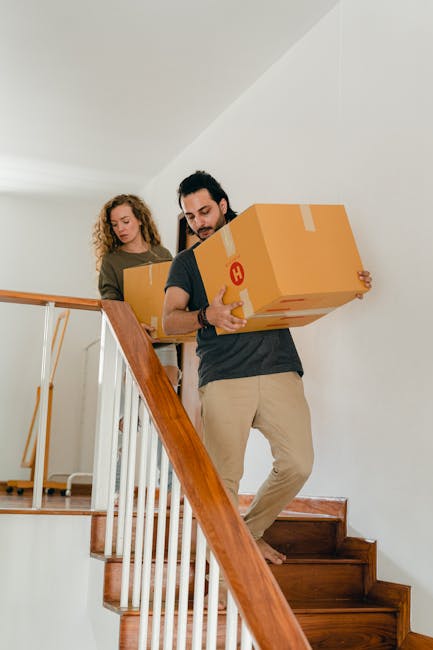
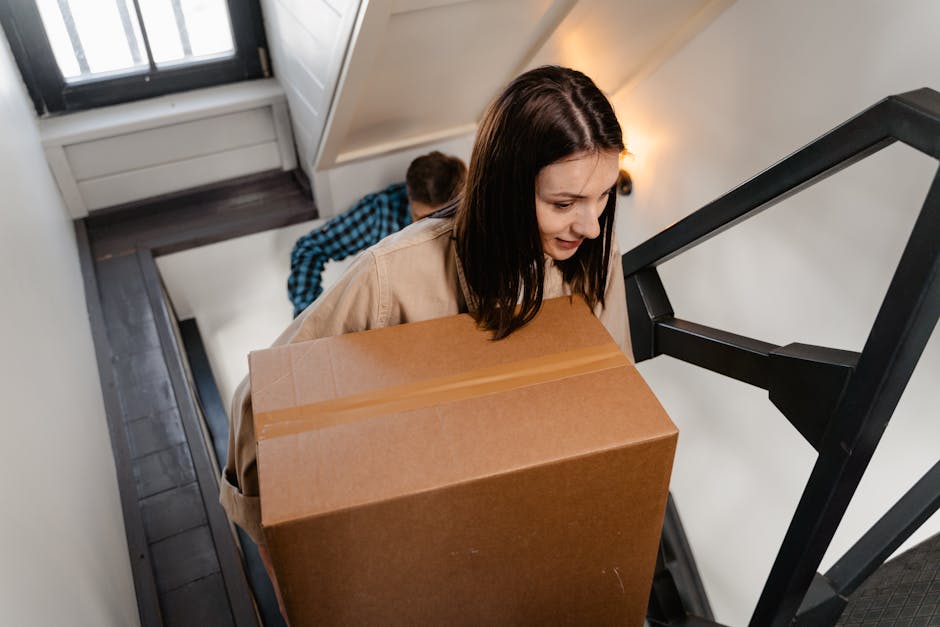
If you have ever tried turning a sofa halfway up a narrow stairwell and felt that sinking, slightly panicked moment, you already understand the problem. Tight staircase removals in New Cross: safe handling is not just about muscle; it is about planning, balance, patience, and knowing when to stop and rethink the move. In older flats, maisonettes, and converted buildings across New Cross, staircases can be awkwardly steep, tight on the corners, and unforgiving when you are carrying something heavy. This guide breaks down how safe handling works, what to expect, and how to avoid the kind of damage and stress nobody needs on moving day.
We will cover the practical method, the common risks, the tools that genuinely help, and the decision points that matter when furniture has to pass through a narrow staircase without a scratch. If you are comparing options, it also helps to understand how a furniture removals service in New Cross approaches these awkward moves, especially when space is limited and timing matters.
Table of Contents
- Why Tight staircase removals in New Cross: safe handling Matters
- How Tight staircase removals in New Cross: safe handling Works
- Key Benefits and Practical Advantages
- Who This Is For and When It Makes Sense
- Step-by-Step Guidance
- Expert Tips for Better Results
- Common Mistakes to Avoid
- Tools, Resources and Recommendations
- Law, Compliance, Standards, or Best Practice
- Options, Methods, or Comparison Table
- Case Study or Real-World Example
- Practical Checklist
- Conclusion
- Frequently Asked Questions
Why Tight staircase removals in New Cross: safe handling Matters
Tight staircases create a very specific kind of moving problem. The item is not always the issue; the angle is. A chest of drawers, bed frame, wardrobe, or sofa can be perfectly manageable in open space and suddenly become awkward once it meets a turn in a narrow stairwell. In New Cross, where many homes have compact access, shared entrances, or converted layouts, that awkwardness shows up often enough to deserve proper attention.
Safe handling matters because the risks are not limited to scuffed walls. People can strain backs, twist ankles, trap fingers, or lose control of the load if they rush. The item itself can also take a beating: chipped corners, ripped fabric, cracked joints, broken feet, and damaged frames all happen when the move is forced instead of planned. To be fair, most of these problems start with underestimating the staircase rather than the furniture.
There is also a time cost. One badly judged carry can stall the entire move while everyone stands around trying to rotate the item in a corridor that is now much too small. That kind of delay is frustrating, and it spreads fast. A calm, measured approach usually saves time, even if it feels slower at the start.
Expert summary: With tight staircase removals, safe handling is less about strength and more about sequence: measure first, protect the route, choose the right carrying method, and move only when everyone is ready.
How Tight staircase removals in New Cross: safe handling Works
The process is built around control. Before anything leaves a room, the staircase, landing, and turning points are assessed. You need to know where the item will pivot, where hands will go, and whether the item even fits upright, sideways, or only at a diagonal. A lot of the work happens before the first lift.
In practice, safe handling usually follows a simple pattern:
- Measure the item and the staircase route.
- Remove obstacles and protect walls, banisters, and floors.
- Strip the item down as far as possible.
- Assign roles so the carry is steady and clear.
- Move slowly, pausing at turns rather than forcing them.
- Reassess if the angle changes or the load becomes unstable.
The team or mover should agree on one person giving instructions. That sounds obvious, but in the middle of a tight stairwell, too many voices is chaos. One person calling the movements is usually enough. "Lift." "Pause." "Tilt." "Hold." Nice and plain. No drama, which is what you want when the sofa is hovering over the stair rail and everyone is trying not to laugh nervously.
For larger home moves, this often sits inside a wider plan for house clearance and access control. If your move involves several bulky items rather than one awkward piece, it can help to read about house removals in New Cross alongside the safety steps here, because route planning becomes even more important when multiple rooms are involved.
Key Benefits and Practical Advantages
There are good reasons to approach narrow-stair removals carefully rather than improvising. The biggest benefit is obvious: fewer accidents. But the real value is broader than that.
- Less damage to property: corners, paintwork, banisters, and flooring are less likely to get marked.
- Better protection for belongings: items are less likely to be scratched, bent, or dropped.
- Lower physical strain: careful handling reduces the chance of pulled muscles and awkward twists.
- More predictable timing: a planned route usually beats repeated failed attempts.
- Less stress: everyone involved can focus on the move rather than reacting to problems.
There is another benefit people sometimes miss: better decision-making. Once you know the staircase is tight, you start asking the right questions. Can the item be dismantled? Should it be wrapped differently? Would a separate smaller vehicle help? Should the item go into temporary storage first? A well-handled staircase move tends to improve the whole moving plan, not just the lift itself.
That is especially useful for residents who are coordinating move-out timing, building access, and transport in one go. If your schedule is a bit compressed, the guidance in this moving stress guide can help you keep the wider process calm while you deal with the access issue.
Who This Is For and When It Makes Sense
Tight staircase removals are relevant to more people than you might think. In New Cross, they often come up in flats, terraced homes, student lets, split-level properties, and buildings with narrow communal stairwells. If the staircase turns sharply, has low headroom, or barely allows two people to pass, safe handling is the sensible route.
This approach makes sense if you are moving:
- sofas, armchairs, or sofa beds
- beds and mattresses
- wardrobes and chest of drawers
- pianos or other weighted items
- white goods with awkward depth or height
- office furniture from upper floors
It also makes sense for smaller but oddly shaped pieces. Sometimes a light item causes more trouble than a heavy one because it has a bad centre of gravity or a fragile finish. A narrow stairwell does not care whether the item cost a fortune or came from a flat-pack shop; if the angles are wrong, the item is still a problem. Bit of a cruel truth, really.
Students and renters often hit this issue too. If you are moving in or out of shared accommodation, the staircase may be the main bottleneck. The local page for student removals in New Cross is useful if you want to see how smaller moves are usually handled with speed and minimal fuss.
Step-by-Step Guidance
Here is the practical sequence that tends to work best. It is not fancy, just dependable.
1. Inspect the route before lifting anything
Look at every bend, landing, doorframe, and ceiling pinch point. A tape measure helps, but sightlines matter too. Some staircases look wide enough until you notice the handrail eats into the usable space. That tiny detail can make the difference between a smooth lift and a stuck one.
2. Measure the item in the way it will actually travel
Measure length, width, and depth, then think about diagonal movement. A sofa may travel better on its end. A bed base may need to be stood upright. A wardrobe could have to come apart before it leaves the room. In other words, measure for the route, not just for the label on the item.
3. Remove loose parts and reduce weight where possible
Take out drawers, shelves, detachable legs, mirrors, and anything that can shift during the carry. Wrap fittings separately and label them. If you are still packing, do not overfill boxes near the staircase route; that only adds clutter and makes the space harder to manage.
If you want a refresher on packing habits that make this easier, the article on key packing tips for homeowners is a useful companion read.
4. Protect the route
Use floor coverings, corner protectors, and padding on the most exposed edges. Banisters are especially vulnerable because they get knocked by elbows and wrapped corners. You do not need a fortress, just enough protection to avoid those annoying little scuffs that somehow feel worse after the move than during it.
5. Assign clear roles
One person should guide. One or two others should carry or steady. Do not keep changing roles halfway through the descent or climb. Everyone should know when to lift, when to hold, and when to stop. If the team feels rushed, the staircase tends to punish that. Every time.
6. Move in small controlled stages
Do not try to win the whole staircase in one aggressive go. Move to the landing, reset, rotate, and continue. Short pauses are not wasted time; they are what prevent mistakes. Let your breathing settle too. Seriously, that helps more than people admit.
7. Reassess before the final turn
The hardest part is often the bend where the shape of the item no longer matches the shape of the stairwell. If the angle is wrong, stop and try another orientation before muscles tire out. This is the moment where safe handling pays off most clearly.
Expert Tips for Better Results
These are the small things that make a real difference when stairs are cramped.
- Use proper gloves: not thick winter gloves, but gloves that improve grip without hiding feedback from the item.
- Keep the route quiet: loose shoes, pets, and children in the stairwell create avoidable distractions.
- Wrap sharp or fragile edges first: the bit that sticks out is usually the bit that gets hit.
- Talk less, signal more: clear short commands beat long explanations mid-move.
- Move early if possible: morning moves often feel less chaotic than late-afternoon ones when everyone is tired.
- Leave the easiest path for the heaviest item: do not fill the corridor with boxes first and then realise the sofa has nowhere to go.
If the item is especially awkward, professional handling becomes less of a luxury and more of a sensible precaution. That is particularly true for delicate or expensive items. For example, if you have a piano, the space constraints and risk profile change quite a lot. The article on why DIY is not ideal for piano moves explains that kind of decision very clearly.
A small but important tip: keep a roll of tape and a marker close by. Once a piece is dismantled, it is all too easy for screws, brackets, and fittings to vanish into a cardboard black hole. Been there, as they say. Not fun.
Common Mistakes to Avoid
Most staircase problems come from a few predictable errors. If you avoid these, you are already ahead.
- Skipping measurements: guessing is the fastest way to get stuck halfway up or down.
- Trying to carry too much at once: one large object is hard enough; adding more just compounds the risk.
- Forcing a turn: if the item does not fit the bend, forcing it usually ends with damage.
- Ignoring wall protection: one corner scrape can ruin a clean staircase wall in seconds.
- Using weak verbal coordination: vague instructions lead to uneven lifts and hesitation.
- Underestimating fatigue: tired arms and shoulders are a real issue, especially after a long packing day.
Another subtle mistake is leaving packing until the last minute. A cluttered landing makes turning space disappear fast. If you are still organising rooms, the piece on decluttering before moving is worth a look because less clutter usually means safer stair movement. Simple, but true.
And yes, sometimes people try the "we'll just angle it a bit more" approach. That can work. Sometimes. But not when the staircase is narrow and the item is already rubbing both walls. That is the moment to step back, not push harder.
Tools, Resources and Recommendations
You do not need a truck full of special kit, but a few sensible tools help a lot. The right equipment makes the process smoother and reduces the chance of damage.
| Tool or Resource | Why It Helps | Best Use |
|---|---|---|
| Furniture blankets | Protect finishes and soften contact points | Sofas, tables, wardrobes, and painted surfaces |
| Straps | Improve control and weight distribution | Large items and multi-person carries |
| Corner guards | Reduce damage to walls and door edges | Stair landings and tight turns |
| Furniture sliders | Help reposition pieces before the staircase carry | Pre-lift staging in rooms or hallways |
| Labelled bags or boxes | Keep fittings and removed parts together | Dismantled furniture and fixtures |
For people planning a broader move, a fuller removals checklist can be a real relief. The overview on removal services in New Cross gives a good sense of how different moving needs fit together, from access support to transport and handling. If you need vehicle capacity as part of the plan, you may also find removal van options in New Cross helpful when comparing what size of load is realistic.
If you are choosing between doing it yourself and getting help, think about the item, the staircase, and the number of people available. That trio decides a lot more than people expect.
Law, Compliance, Standards, or Best Practice
For most household moves, there is not a special staircase-removal law sitting in the background, but there are still important UK expectations around safety, care, and reasonable handling. In plain terms, if lifting is likely to cause harm, the work should be planned so that risk is reduced as far as is reasonably practical. That is standard good practice, even if you never hear those words on moving day.
Professional movers usually work within internal health and safety procedures, insurance arrangements, and general manual handling principles. The important point for the customer is not the paperwork itself, but the result: safer lifts, less damage, and clearer accountability if something does go wrong. It is sensible to ask how handling is managed before the move, particularly for heavy or fragile items.
Before booking, many people also like to understand how a company approaches care, claims, and issue handling. That is where the site's own health and safety policy, insurance and safety information, and terms and conditions can be useful. If something is unclear, ask for a plain explanation. You should not need a legal dictionary just to move a wardrobe.
Best practice also includes honest planning. If a staircase is too tight for a bulky item, the right answer may be partial dismantling, a different route, or a different removal method altogether. There is no prize for forcing it through.
Options, Methods, or Comparison Table
There is more than one way to handle a difficult staircase, and the best option depends on the object, the route, and the level of risk.
| Method | Best For | Pros | Limitations |
|---|---|---|---|
| Careful DIY carry | Small to medium items with simple turns | Lower upfront cost, flexible timing | Higher physical effort, greater chance of mistakes |
| Dismantle and carry in parts | Large furniture that can be separated safely | Easier on stairs, safer through narrow landings | Needs tools, time, and good labelling |
| Two- or three-person assisted move | Bulky items with awkward balance | Better control, less strain on one person | Still requires planning and coordination |
| Professional handling | Heavy, fragile, or awkward items | Experience, equipment, insurance, route management | Higher cost than doing it yourself |
| Temporary storage first | Moves with timing gaps or property access issues | Reduces pressure on the moving day | Requires additional planning and space |
For many local moves, a mixed approach works best. Small items can go straight out, while larger furniture is dismantled or moved with extra support. If your schedule is tight, there is also the option of same-day removals in New Cross, though it is still wise to prepare the staircase properly rather than assuming speed will solve access issues.
People sometimes ask whether storage is a backup plan or part of the main plan. Honestly, it can be either. If the new place is not ready, or the staircase is too restrictive for a phased move, storage in New Cross can remove pressure and give you breathing room.
Case Study or Real-World Example
Imagine a second-floor flat in New Cross with a narrow staircase, one tight turn, and a fairly large corner sofa. The sofa is too bulky to carry upright in one piece, and the landing is too small to allow a clean turn without careful rotation. The first instinct might be to push and hope. That usually ends badly.
A safer approach would look more like this. First, measure the sofa against the stairwell and the landing. Then remove cushions, wrap the arms and corners, and clear the staircase fully. Next, two movers take the sofa from the room to the landing while a third guides the pivot. They pause before the turn, tilt the item gradually, and move it in stages instead of trying to swing it all at once. It takes a bit longer than the "just lift it and go" method, but the wall stays intact and the sofa does not scrape along the rail.
That kind of planning is especially useful in tightly packed homes where other items are still being staged. If the move also involves beds, the mattress can be handled separately; this mattress-moving guide shows why separating components can make the whole process easier. Same logic, different item.
Another real-world example comes up in office or studio moves. A desk with fixed legs may clear the doorway but fail at the staircase bend. In those cases, it is often better to dismantle it than to risk a damaged edge or a strained shoulder. Nobody wants to spend the next week explaining a mysterious gouge in the banister.
Practical Checklist
Use this checklist before tackling a tight staircase move. It is the kind of list that saves an awkward morning.
- Measure the item and the staircase route.
- Check for tight turns, low ceilings, and narrow landings.
- Remove drawers, shelves, legs, and loose parts where possible.
- Wrap corners, edges, and fragile surfaces.
- Clear the staircase, hallway, and landing completely.
- Protect walls, floors, and banisters with padding or covers.
- Agree on one person to give instructions.
- Use enough people for the weight and shape of the item.
- Pause at turns instead of forcing the movement.
- Have a backup plan if the item does not fit safely.
Quick practical reminder: if the route looks tight before the move, it will feel tighter once everyone is tired and carrying something heavy. That is usually the moment when mistakes happen, so build the plan around the worst part of the staircase, not the easy bit near the front door.
Conclusion
Tight staircase removals in New Cross: safe handling is really about respect for the space. Respect the angles, respect the weight, respect the limits of the route. When you plan carefully, protect the property, and choose the right method for the item, the move becomes much calmer and far less risky. It is one of those jobs where a little patience saves a lot of hassle.
Whether you are moving a sofa, a wardrobe, a mattress, or a whole flat's worth of furniture, the same principle holds: do not rush the staircase. Measure first, carry smart, and stop if the angle feels wrong. That one decision can protect your belongings, your back, and your sanity, which, to be fair, is worth a lot on moving day.
If you are comparing move support, access planning, and handling options, it can help to review the wider help available through removals in New Cross and then choose the level of support that fits your property and timeframe. Some moves need a careful DIY approach; others really do benefit from experienced help. Knowing the difference is the win.
Get a free quote today and see how much you can save.
And if you are standing at the bottom of a narrow staircase wondering whether that bulky item will make it through, take a breath first. A measured move is usually a safer move, and sometimes that is all the reassurance you need.
Frequently Asked Questions
What makes a staircase move "tight"?
A staircase move becomes tight when the available space is limited enough that furniture cannot pass comfortably without careful angle changes, pauses, or dismantling. Narrow landings, sharp turns, and low ceilings are the usual culprits.
Can all furniture be taken up or down a narrow staircase?
Not always. Some items can be moved safely only after dismantling, while others may be too large or awkward for the route. The item's shape matters as much as its weight.
Is it safer to move furniture on its side?
Sometimes, yes, but only if the item's structure allows it and the team has enough control. A piece that is safer on its side in one stairwell may be worse in another. The route decides the method.
Do I need professional help for tight staircase removals in New Cross?
If the item is heavy, fragile, expensive, or difficult to dismantle, professional help is usually the safer option. For smaller, straightforward items, a careful DIY approach may be fine if you have enough people and the route is clearly measured.
How do I protect my walls and banisters during the move?
Use padding, corner guards, and careful route clearing. The main aim is to stop the item from scraping at the points where the staircase narrows or turns.
What should I do if the furniture gets stuck halfway?
Stop immediately. Do not force it. Reassess the angle, check whether parts can be removed, and decide whether to continue or change the plan. Forcing a stuck item usually creates damage.
How far in advance should I plan a staircase move?
Ideally, before moving day. Even a basic measure-up and route check can reveal whether dismantling or extra support will be needed. Leaving it until the last minute makes everything feel more rushed than it should.
Are there special risks in older New Cross properties?
Yes, older or converted properties often have narrower staircases, steeper rises, and tighter turns. That does not make them impossible to move through, but it does mean planning matters more than usual.
Should I empty drawers and shelves before carrying furniture downstairs?
Yes. Removing loose contents makes the item lighter, more stable, and less likely to shift during the carry. It also helps prevent breakages inside the furniture.
How do I know whether to dismantle a large item?
If the item looks awkward at the turn, if it is catching on the wall, or if the team cannot keep a steady grip, dismantling is usually the wiser choice. It is better to spend ten extra minutes on tools than ten minutes repairing damage.
What kind of items usually cause the most trouble on stairs?
Sofas, wardrobes, bed frames, pianos, and large office furniture are common problem items. That said, a light but badly shaped object can still be awkward, especially on a landing with little room to pivot.
Can storage help if my staircase is too difficult on moving day?
Yes, temporary storage can take the pressure off if access, timing, or staging is making the move too rushed. It is a sensible fallback when the staircase situation needs more thought.
What is the biggest mistake people make with tight staircase removals?
Trying to force the item through before checking the route properly. Once the carry begins, there is much less room to think clearly, so a small planning mistake can turn into a big one very quickly.