Amersham Road moves in New Cross: parking & access
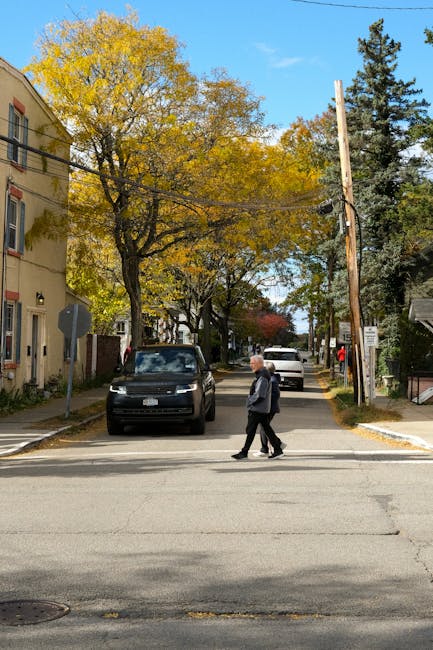
If you are planning a move on or near Amersham Road in New Cross, parking and access can make the difference between a calm moving day and a stressful one. A van that cannot stop close enough to the entrance, a tight staircase, a shared driveway, or a missed parking detail can add time, cost, and a fair bit of pressure. Truth be told, these are the bits that often catch people out.
This guide breaks down Amersham Road moves in New Cross: parking & access in practical terms: what to check, how to prepare, what can go wrong, and how to make the whole thing easier for everyone involved. Whether you are moving from a flat, a house, or a student room, the same basic principle applies - good access planning saves effort before the first box is lifted.
Along the way, we will also point you to useful resources such as removals in New Cross, flat removals in New Cross, and a man with a van in New Cross, because local moves are rarely just about transport. They are about planning, access, and doing the small things properly.
Why Amersham Road moves in New Cross: parking & access Matters
Parking and access are not small details. They affect how long the move takes, how many trips are needed, how safely furniture can be carried, and whether the team can work efficiently without blocking roads or communal entrances. On a narrow street, the difference between parking "nearby" and parking "right outside" can be several minutes per item. That adds up fast.
In New Cross, as in much of inner London, the streets can be busy, the kerb space limited, and the timing a bit unforgiving. If you are moving a sofa, wardrobe, mattress, or boxes of books, every extra step matters. For people living in upstairs flats or converted houses, the route from van to front door may be just as important as the van itself.
There is also a trust angle here. A mover who understands local access issues is likely to plan better around tight spaces, avoid unnecessary lifting, and reduce the risk of damage. If you are still comparing providers, it may help to review their wider support options such as the full services overview and removal services in New Cross. A good operator should ask questions about parking, stairs, lift access, and loading points before the move starts. If they do not, that is a bit of a red flag.
Key takeaway: good parking and access planning is not just about convenience. It protects time, reduces stress, and helps the move run safely and smoothly from the first load to the last.
How Amersham Road moves in New Cross: parking & access Works
In practice, the process is usually simple, but the details matter. First, you identify where the vehicle can safely stop without causing obstruction. Then you work out the walking distance from van to property entrance, whether there are stairs, whether the doorway is wide enough for larger items, and whether any parking restrictions apply at the time of your move.
On a good day, the van can park close enough that items can be moved in a straight, short line. On a trickier day, the crew may need to use a trolley, plan staggered carrying routes, or take extra care around parked cars, bins, or narrow footpaths. This is normal. It just needs planning.
Here is the basic flow most local moves follow:
- Check the street layout and likely loading point in advance.
- Confirm if there are any time-limited bays, permit zones, or access restrictions.
- Measure anything awkward: sofas, beds, wardrobes, piano routes, or bulky appliances.
- Prepare the building side too - doors open, hallway clear, lift reserved if relevant.
- Build a realistic loading plan so the van is not forced to shuffle around mid-move.
If you are moving from a flat, a flat removals service in New Cross can be especially helpful because the access issues are often more complicated than the packing. If you are dealing with larger household items, furniture removals in New Cross can also reduce the risk of awkward lifting in tight spaces.
One small but important point: parking access is not just for the van. It affects the mover's rhythm. A short, clear route allows the team to keep momentum. A long, interrupted route can turn a straightforward load into a tiring shuffle. And nobody wants that by 11:00 on moving morning.
Key Benefits and Practical Advantages
Getting parking and access sorted brings more benefits than people first expect. Some are obvious. Others only show up halfway through the move, when you realise the day is running more smoothly than you feared.
- Less carrying distance: shorter routes reduce fatigue and the chance of dropping or scuffing items.
- Faster loading and unloading: the crew can keep working without unnecessary waiting or repositioning.
- Lower damage risk: fewer turns, fewer doorframe scrapes, fewer chances to knock walls or furniture.
- Better timing: the schedule is easier to control when parking is predictable.
- Less neighbour friction: good planning reduces blocked entrances and awkward street congestion.
There is also a surprising emotional benefit. When the access plan is clear, people relax. You can feel it. The boxes come out of the hallway, the van is where it should be, and the day starts to look manageable rather than chaotic. That calm matters, especially if you are moving with children, working to a deadline, or juggling handovers.
For people who are still in the planning stage, packing support can make access issues easier to manage. Good packing creates smaller, neater loads that are simpler to carry through narrow routes. A guide like key packing tips for homeowners is worth reading if you want fewer loose ends on moving day. If you are trying to declutter before the move, this decluttering guide can help you reduce the load before anyone arrives with a van.
Who This Is For and When It Makes Sense
This topic matters to almost anyone moving in New Cross, but some people feel the impact more than others.
It is especially relevant if you are:
- moving from a flat or maisonette with limited stair access
- living on a road with narrow parking or busy through traffic
- moving a few bulky items rather than a full household
- arranging a same-day or short-notice move
- dealing with shared entrances, internal courtyards, or rear access only
- moving heavy furniture, fragile items, or awkward appliances
- trying to keep disruption low for neighbours or housemates
If you are a student, the issue often comes down to speed and simplicity. Student moves can be deceptively awkward because they usually involve short timelines, odd-sized bags, and last-minute packing. In that case, a service like student removals in New Cross may fit better than trying to improvise everything yourself.
For house moves, parking and access can affect the whole day. If the vehicle is not close enough, even a well-planned move can start to feel slow. If you are comparing options, house removals in New Cross are often a sensible choice when the property layout is more demanding than it first looks.
And if you need movement beyond standard hours or on a tight deadline, same-day removals in New Cross can be useful, although tight access usually means you need to plan even more carefully, not less.
Step-by-Step Guidance
Here is a practical way to approach an Amersham Road move without turning it into a drama. Nothing fancy. Just a sensible sequence that helps you stay ahead of the awkward bits.
1. Check the street and the entrance before moving day
Walk the route from the nearest likely parking spot to your front door. Look for parked cars, low branches, kerb height, narrow gaps, and any bits of pavement that might make carrying furniture uncomfortable. If you are moving from a building with a side passage or shared rear access, inspect that too. It only takes a few minutes, and it can save a lot of guesswork.
2. Work out the vehicle size you actually need
Too small, and you risk multiple journeys. Too large, and the van may be harder to park or manoeuvre. A balanced choice is usually best. If you are unsure, a removal van in New Cross or a flexible man and van service can be a practical middle ground for shorter routes and lighter loads.
3. Confirm any parking restrictions in plain language
You do not need to become a parking expert overnight. Just know whether the spot is unrestricted, permit-controlled, or time-limited. If in doubt, ask the provider how they normally handle loading access. Some moves may also benefit from a quick chat with the local authority or a building manager, depending on where the property sits. Better to ask than assume. A missed detail here can be expensive in time, and annoying too.
4. Clear the access path inside the property
Hallways, stairs, landings, and doors should be free of shoes, bins, loose rugs, and random half-packed bags. These tiny things become trip hazards very quickly. A clear route means safer lifting and less chance of bumping the walls. If the move includes large pieces of furniture, it is worth reading about safe strategy for lifting heavy items, even if you expect help on the day.
5. Group the items by access difficulty
Put the awkward stuff together: long items, breakables, heavy boxes, anything that needs a second pair of hands. That way the team can plan the order of removal instead of discovering problems mid-carry. Bed frames, wardrobes, and mattresses often need extra thought; this guide on moving beds and mattresses efficiently is a handy companion read.
6. Build in a little buffer
Even the best-planned move can hit a snag. A neighbour might be unloading, the road might be busier than expected, or a box might need repacking. Give yourself a bit of breathing room. Not a huge amount - just enough that one delay does not throw off the entire day.
Expert Tips for Better Results
There are a few small habits that tend to make the biggest difference. They are not glamorous, but they work.
- Book or reserve access early where needed: if you know the building has controlled entry or shared parking, sort it out before the week of the move.
- Label items with access in mind: mark boxes that need to come out first, or that cannot be stacked under heavier loads.
- Keep a "walking lane" clear: even a very neat hallway can become awkward if bags, shoes, and coats are left in the way.
- Protect doorframes and corners: a little padding can prevent scuffs in tight passageways.
- Use the right moving support for the job: if the property is small but access is complicated, a tailored moving service is often better than a generic one.
To be fair, a lot of moving stress comes from trying to do too much in one go. Smaller loads, sensible sequencing, and clear access are usually more effective than heroic last-minute effort. The heroic bit can come later, after the kettle is on.
If you are also thinking about storage while you sort the move, storage in New Cross can be useful for items you do not want blocking the hallway or loading route. And if you need help choosing the right boxes and wrapping materials, packing and boxes in New Cross is a sensible place to start.
One more thing: if you are moving anything fragile or unusually valuable, such as a piano, the access route should be checked very carefully. For that kind of item, piano removals in New Cross are worth considering rather than improvising on the day. Pianos and tight stairwells are not a fun mix. Not even a little bit.
Common Mistakes to Avoid
Most problems on move day are predictable. The frustrating part is that they are also avoidable.
- Assuming the van can stop anywhere: a "quick stop" can become a problem if it blocks traffic or lands too far from the entrance.
- Ignoring stair width and turning space: large furniture can look manageable until it reaches the stair landing.
- Leaving parking checks until the morning of the move: by then, it is usually too late to make easy changes.
- Not telling the mover about the access route: the team needs to know about basement steps, side gates, lift restrictions, or rear access.
- Overpacking boxes: heavy boxes are slower to carry and harder to manoeuvre in tight spaces.
- Forgetting to clear the exit path: clutter slows everything down and increases the risk of minor damage.
There is also a quieter mistake: not asking enough questions. People sometimes worry about sounding fussy. Don't. A good mover would rather hear about a narrow gate or a tricky parking spot in advance than deal with it at the kerb with ten minutes to spare.
Tools, Resources and Recommendations
You do not need specialist equipment for every move, but a few practical tools can make access issues much easier to handle.
| Tool / resource | Why it helps | Best for |
|---|---|---|
| Furniture blankets | Protect items and doorframes during tight carries | Sofas, tables, wardrobes |
| Trolley or sack truck | Reduces repeated lifting over longer walking distances | Boxes, appliances, heavier loads |
| Strong tape and labels | Makes the loading sequence easier to manage | All household moves |
| Door protection pads | Helps prevent scuffs in narrow entrances | Flats, hallways, shared properties |
| Access notes for the mover | Lets the team plan the route before arrival | Any move with parking limits |
It also helps to use resources that support the move as a whole, not just the final lift. For example, getting your house move-out ready can reduce last-minute clutter, while these house-moving tips are useful if you want a steadier, less frantic pace. If you are planning a household refresh or relocating larger pieces, the practical advice in sofa storage techniques may also be handy for items that are not moving immediately.
For wider trust and policy information, readers sometimes like to check a company's health and safety policy, insurance and safety information, and about us page. These are not glamorous reads, granted, but they do tell you a lot about how seriously a business handles your property and the move itself.
Law, Compliance, Standards, or Best Practice
Parking and access for a local move sit within a mix of practical street rules, building rules, and general best practice. Exact requirements can vary by location, property type, and time of day, so it is wise to check details rather than rely on assumptions. In London, loading and parking arrangements may be affected by local restrictions, permit rules, or suspended bays. Building managers can also have their own access procedures.
Best practice usually includes the following:
- parking only where lawful and safe
- avoiding obstruction to pedestrians, emergency access, and other vehicles
- communicating clearly with building staff or neighbours when shared access is involved
- using suitable handling methods for heavy or awkward items
- ensuring the mover understands any site-specific limitations before arrival
If you are handling a move in a block of flats, this matters even more. Lift use, communal hallways, fire exits, and shared entrances all need respectful handling. That is just common sense, really, but it is also the difference between a smooth move and a complaint from someone downstairs who has been trying to get their bike out for twenty minutes.
Reputable removal businesses will also have clear internal procedures around safety, handling, and complaints. If you want reassurance before booking, pages like the complaints procedure, terms and conditions, and payment and security can be useful to review.
Options, Methods, or Comparison Table
There is no single "best" way to handle an Amersham Road move. The right choice depends on the amount to be moved, the access constraints, and how much help you want on the day.
| Option | Best for | Pros | Watch out for |
|---|---|---|---|
| Man and van | Smaller moves, lighter loads, quick jobs | Flexible, often practical for tight local access | May need multiple trips if the load is larger than expected |
| Full house removals | Full household relocations | More support, better for bigger loads and planning | Can require more space for loading and scheduling |
| Flat removals | Upper-floor homes, shared access, compact layouts | Designed for stairs, landings, and tight entrances | Needs accurate access details beforehand |
| Same-day removals | Urgent or short-notice moves | Fast response, useful when plans change suddenly | Less time for detailed access planning, so communication must be sharp |
| Storage-first approach | Moves with staggered dates or uncertain timing | Reduces pressure if access or completion timing shifts | Extra handling and added coordination |
For many local readers, the sweet spot is a tailored service rather than a one-size-fits-all approach. If access is tricky but the load is modest, a man and van in New Cross can be ideal. If the property is larger or the furniture is substantial, a removal company in New Cross may be the better fit. Simple enough, but worth thinking through before you book.
Case Study or Real-World Example
Imagine a move from a first-floor flat near Amersham Road. The tenant has a sofa, a bed frame, a mattress, six medium boxes, and a small dining table. There is no driveway, and the nearest sensible loading point is not right outside the door but a short walk away. Nothing extreme - just the kind of move that becomes awkward if nobody thinks ahead.
The first step is to check the route from the building to the likely parking space. There is a shared entrance, a narrow hallway, and a turn on the stairs that will catch the sofa if it is carried upright. The solution is to clear the hallway first, remove loose items, and plan the sofa move as the first large item out. The mattress goes after that, followed by the lighter boxes. The dining table is wrapped and moved last, once the path is already open.
Now compare that to a rushed version. The van arrives, parking is uncertain, the hallway is still full of shoes and recycling bags, and the sofa has to be turned three times before it reaches the landing. That's when stress ramps up. Voice gets a bit louder. Someone says "it'll be fine" in the kind of tone that means the exact opposite. You know the scene.
In the better version, the move feels calmer because the access route is already understood. The team knows what to expect, the items are grouped sensibly, and there is no awkward guessing at the front door. The move still takes effort, of course, but it feels controlled. That is the real value of planning around parking and access.
Practical Checklist
Use this checklist the day before and again on the morning of the move. It is simple, but it keeps a lot of small problems from becoming bigger ones.
- Confirm where the van can legally and safely park
- Check whether any permits, time limits, or building rules apply
- Measure doorways, stairs, and awkward turns if needed
- Clear hallways, landings, and entrances
- Set aside keys, access codes, or contact numbers
- Label heavy or fragile boxes clearly
- Keep children and pets out of the main route
- Protect floors, doorframes, and corners where practical
- Tell the mover about any rear access, basement steps, or lift restrictions
- Prepare a simple plan for large items first, smaller items second
- Keep water, phone charger, and essentials easy to reach
- Double-check timing so the van arrival matches your access window
If you want more help getting everything ready, the packing guide at simplifying your move with better packing is a useful next read. And if you have items that will not go straight to the new address, storage in New Cross can give you some breathing room.
Conclusion
Amersham Road moves in New Cross: parking & access are all about keeping the move realistic. If the vehicle can stop in the right place, the route is clear, and the team knows the building layout, the day becomes much easier to manage. That is true whether you are moving a single room or an entire household.
The best moves usually look boring from the outside. No confusion, no scrambling, no back-and-forth over the pavement. Just steady work, sensible preparation, and a clear plan. That is what you want, really. Especially in a busy London area where parking and access can change the mood of a move in an instant.
If you are planning your next step, think about access first, packing second, and timing third. That order tends to work better than people expect. And once it is done, it is done.
Get a free quote today and see how much you can save.
Whether your move is simple or a little fiddly, a calm, well-planned start often makes the whole experience feel lighter. Small details count. They really do.
Frequently Asked Questions
Do I need to sort parking before an Amersham Road move?
Yes, ideally you should. Even if the van is only staying for a short time, knowing where it can stop makes the move faster and safer. It also reduces the chance of last-minute delays.
What if the van cannot park right outside my property?
That is fairly common in New Cross. A short walk from the van to the entrance may still be perfectly workable, as long as the route is clear and the mover knows in advance. Planning for a longer carry is better than discovering it on the day.
How do I know whether my flat is easy enough to access?
Look at the stair width, turning space, entry doors, and any shared hallway restrictions. If you have a large sofa, wardrobe, or mattress, measure the awkward parts rather than guessing. Guessing is where the trouble starts.
Is a man and van service enough for a tight access move?
Sometimes yes, especially for smaller loads or short local relocations. For bigger household moves or more complex access, a fuller removals service may be more practical. The right choice depends on the size of the load and the building layout.
What should I tell the mover before moving day?
Tell them about parking restrictions, stairs, lift use, shared entrances, narrow doors, rear access, and any bulky or fragile items. The more accurate the information, the easier it is for them to plan.
Can I leave access planning until the morning of the move?
You can, but it is not recommended. Morning-of checks often lead to rushed decisions, and sometimes there is nothing available nearby. A little prep the day before makes a huge difference.
Do I need special help for a piano or heavy furniture?
Yes, for larger or more delicate items, specialist handling is usually the safer option. Pianos, for example, need careful route planning and proper lifting methods. Tight staircases and heavy instruments are not a DIY gamble worth taking.
What is the best way to make a move feel less stressful?
Clear the access route, pack early, label boxes well, and keep the parking plan simple. If you also declutter before the move, the load gets smaller and the day feels far more manageable.
Are same-day removals suitable for access-heavy moves?
They can be, but short-notice moves leave less time to sort out parking and route checks. If the access is complicated, make sure the mover knows before they arrive so they can plan properly.
What if I am moving from a student flat near Amersham Road?
Student moves often involve fewer items, but they can still be awkward because of stairs, bags, and limited parking. A student-focused service can help keep the process quick and practical.
Should I use storage if my move dates do not line up?
Yes, storage can be very useful when access, completion dates, or handover timing are not perfectly aligned. It gives you more flexibility and removes pressure from the moving day itself.
How can I protect my walls and doorframes during a tight move?
Use furniture blankets, move items in a planned order, and clear the route before carrying anything heavy. A little protection at the start is much easier than repairing scuffs later.