New Cross Gate removals: street-by-street guide
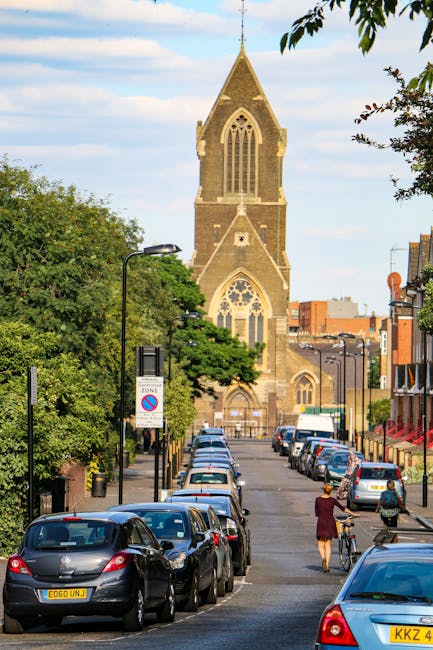
If you are planning a move in New Cross Gate, the streets themselves can shape the whole day. A terraced road with tight parking, a busy main route, a flat above a shop, or a quiet residential side street all change how removals should be handled. That is why a New Cross Gate removals: street-by-street guide is so useful: it helps you think beyond the box-count and start planning for the reality outside your front door.
Truth be told, most moving stress comes from small things that only become obvious on the day. Will the van fit outside? Is there room to carry a sofa without blocking the pavement? Is there a narrow staircase, a shared hallway, or a road that gets tight after school run time? This guide breaks down the local moving picture in plain English, so you can make better decisions, avoid awkward delays, and feel a bit more in control. And yes, that matters.
Along the way, we will cover how street-by-street planning works, what to check before booking, common mistakes to avoid, and the practical steps that make removal day smoother in New Cross Gate and nearby parts of south-east London.
- Why it matters
- How it works
- Key benefits
- Who this is for
- Step-by-step guidance
- Expert tips
- Common mistakes to avoid
- Tools, resources and recommendations
- Law, compliance, standards, or best practice
- Options and comparison
- Case study
- Practical checklist
- Conclusion
- Frequently asked questions
Why New Cross Gate removals: street-by-street guide Matters
New Cross Gate is the kind of place where moving well often depends on micro-details. Two addresses a few minutes apart can have completely different access. One may sit on a wide road with easier stopping space, while the next could be a narrower residential street where parked cars reduce manoeuvring room. For removals, that difference is not small. It can affect van size, loading time, number of crew members, and whether a second trip is needed.
A street-by-street approach matters because it helps you think like a mover, not just a resident. You start to notice things such as kerb height, one-way systems, traffic timing, and whether the front door opens straight onto the pavement. That is the sort of detail people only remember after the heavy wardrobe is half-way down the stairs. Not ideal, to be fair.
It also matters because local moves are often time-sensitive. Lease end dates, school runs, lift bookings, parking restrictions, and landlord handovers can all collide. In a busy London setting, a removal that runs late can quickly snowball into frustration. A more precise plan reduces the odds of that happening and gives you better control over the day.
For people comparing options, the streets around New Cross Gate also influence the kind of service that makes sense. A small flat move may suit a compact vehicle and a flexible crew, while a larger family move may need man with van support, packing help, or a larger moving van. In other words, the road outside your home is part of the brief, not just the address.
How New Cross Gate removals: street-by-street guide Works
The idea is simple: you review your move by street, access point, and timing, rather than treating the whole job as one generic job. That does not mean you need a formal survey for every move. It means making practical observations before you book and before moving day arrives.
A good local removals plan usually looks at the following:
- Street width and parking reality: Can a removals van stop nearby without blocking traffic or causing a bottleneck?
- Building access: Is there a lift, a tight stairwell, a shared hallway, or a back entrance that helps?
- Load distance: How far is the van from the front door?
- Traffic pattern: Are mornings, school pickup periods, or evenings especially awkward?
- Property type: Flat, terrace, maisonette, or commercial unit all create different challenges.
- Item mix: Heavy furniture, fragile boxes, office kit, or awkward shapes need different handling.
In practical terms, a street-by-street guide is a way of spotting friction before it becomes a problem. If you live on a road with limited stopping room, you may want an earlier start. If your building has a narrow staircase, you may want extra packing time and clearer labelling. If your flat is above a row of shops, you may need to think about foot traffic and delivery windows. The more you map it out, the calmer the day tends to feel.
Some people like to walk the route once before the move. That sounds almost too simple, but honestly it helps. You notice things your memory glossed over: a dropped kerb, a row of cars that usually fills the street, a tight bend, a low branch, a neighbour's gate that swings outward. Little things. Big impact.
Key Benefits and Practical Advantages
A street-by-street approach does not just reduce stress. It improves almost every part of the moving process.
| Benefit | What it means in real life | Why it helps |
|---|---|---|
| Better time planning | You estimate loading and travel more accurately | Fewer surprises and less waiting around |
| Smarter vehicle choice | You pick a van that suits access and load size | Reduced risk of underbooking or overpaying |
| Smoother loading | You know where the heavy items will come out | Less confusion at the front door |
| Lower risk of damage | You prepare for tight corners or narrow stairs | Furniture and walls are less likely to get scuffed |
| Less neighbour disruption | You avoid unnecessary blocking or long delays | Better for everyone on the street |
There is also a quieter benefit: confidence. When you understand the route and the access, the move feels less like a leap into the unknown. You are not guessing. You are planning.
For households with children, pets, or elderly family members, this matters even more. A predictable plan can make the day feel calmer and safer. For businesses, it can mean keeping disruption to a minimum, which is the whole point of choosing a careful, organised moving service in the first place.
If you are comparing wider service options, it may help to look at removal services, removals near me, and more specialised help such as home moves. The right fit depends on access, volume, and how hands-on you want the crew to be.
Who This Is For and When It Makes Sense
This guide is useful for a lot of people, but it is especially helpful if your move has any of the following features:
- You live on a narrow or busy street in New Cross Gate.
- Your building has stairs, a lift, or a shared entrance.
- You are moving a mixture of furniture and boxed items.
- You need a quick turnaround between properties.
- You have a landlord, letting agent, or building manager involved.
- You are relocating an office, studio, or small commercial space.
- You want to avoid parking confusion on the day.
It also makes sense if you have moved before and remember the bits that went wrong. Maybe the van parked too far away. Maybe the table would not fit through the landing without being turned on its side three times. Maybe you had to wait for someone to move their car before anything could start. Those situations are common enough, but they are far less common when the route and access have been thought through properly.
Street-by-street planning is particularly useful for first-time movers. When you have never done it before, all the moving parts can blur together. Packing boxes is one thing. Managing a real street with real constraints is another. The more local and specific the planning, the less likely you are to feel rushed on the day.
If you are moving a business unit, it can be smart to consider office removals or commercial moves. Those jobs often need timing discipline, careful labelling, and clear access planning because staff, equipment, and deadlines all sit in the mix.
Step-by-Step Guidance
Here is a practical way to approach a New Cross Gate move without overcomplicating it.
- Map the exact access points. Note the front door, rear entrance, shared hall, lift, and any awkward turns.
- Walk the street at the likely moving time. Parking patterns can change a lot between 8am and midday. A street that feels easy at lunch may feel very different later.
- Measure the largest items. Sofas, beds, wardrobes, desks, and white goods are the usual troublemakers.
- Check where the van can stop. Ideally, the loading point should be as close as practical without causing a hazard.
- Separate fragile, valuable, and urgent items. Keep documents, keys, chargers, and essentials out of the main pile.
- Plan the order of loading. Heavy and awkward items usually go first, but this depends on access and the route out.
- Protect the building. Door frames, floors, and corners are the bits that take knocks. Simple coverings help.
- Allow for a buffer. A small time cushion is sensible in London, especially if parking or traffic might slow things down.
A useful habit is to picture the day in reverse. Imagine the sofa leaving the flat, turning the landing corner, crossing the pavement, and reaching the van. If one part of that route looks awkward, that is the bit to solve before move day.
Here is the blunt version: if you have to squeeze, twist, lift, and carry at the same time, you probably need more planning. Nothing glamorous about it. Just honest logistics.
For fragile handling or unpacking support, many customers also look at packing and unpacking services. That can save time and reduce the chance of rushed packing, which is where a lot of moving damage starts.
Expert Tips for Better Results
After enough local moves, a few habits stand out. They are not complicated, but they make a real difference.
1. Treat parking as part of the job, not an afterthought
If the van is a long walk from the door, everything takes longer. That includes loading, checking inventory, and securing items. It sounds obvious, but people often focus on the inside of the property and forget the street. In moving terms, the street is half the battle.
2. Keep one box of essentials separate
This box should contain keys, chargers, kettle items, tea, a snack, basic toiletries, and any documents you need close by. It is the sort of thing you will be grateful for at 8pm when the main boxes are stacked like a cardboard skyline.
3. Photograph tricky access points
If there is a narrow gate, an awkward alley, or a tight stair turn, a few photos help everyone understand the job. That is especially useful when you are arranging a quote remotely.
4. Be realistic about volume
People often underestimate how much they own. It happens. A one-bedroom flat can still generate more items than you expect, especially if the cupboards have quietly been doing overtime for years.
5. Choose timing with the street in mind
Earlier starts can make sense if parking is limited or traffic is heavier later in the day. On the other hand, if your building is noisy or shared, a slightly later slot may be more considerate. Balance matters.
One slightly old-school tip still holds up: label boxes by room and priority. A scuffed box with a bold marker on it is more useful than a hundred perfect labels nobody can read at a glance. Not fancy. Very effective.
Common Mistakes to Avoid
Most moving mistakes are preventable. The tricky part is that they seem small until they cost time.
- Ignoring local access issues: Assuming every street works the same is a classic mistake.
- Booking the wrong vehicle size: Too small means extra trips; too large may be awkward on tight roads.
- Not checking lift or stair access: A lift that is out of service on the day can change everything.
- Leaving packing too late: Rushed boxes are more likely to break open or become badly balanced.
- Forgetting parking reality: Even if the postcode is correct, the stopping space may not be.
- Not preparing the new property: No clear entry path, no floor protection, and no plan for delivery order can slow the whole job.
- Assuming the route is easy at all times: London streets change character depending on the hour. They just do.
A common one in New Cross Gate is underestimating the impact of busy local movement patterns. A road may feel manageable on a quiet Sunday but very different on a weekday morning. That does not mean the move is difficult. It means the plan should match the reality, not the ideal.
Another frequent issue is forgetting to speak to neighbours or building contacts when access could affect them. A polite heads-up can prevent awkwardness. People usually respond well when they know what is happening and roughly when.
Tools, Resources and Recommendations
You do not need special equipment to organise a move well, but a few practical tools help more than people expect.
- Tape measure: For doors, sofas, wardrobes, and tight corridors.
- Notebook or notes app: To record parking points, access quirks, and item sizes.
- Marker pens: Clear box labels save time later.
- Door and floor protection: Blankets, covers, or similar materials reduce scuffs.
- Extra bags or crates: Useful for loose items, cables, and kitchen bits.
- Phone camera: Handy for photographing access, meter positions, and layout details.
For service comparison, it is sensible to review pages that explain the scope of support, such as man and van removals, house removals, or a broader removal company option. Different providers are suited to different access situations, and that can matter more than price alone.
If you are moving heavier household items, you may also want a specific service such as furniture pick-up. That can be useful where a single item or a few bulky pieces need careful handling rather than a full-house move.
And because moving generates more packing waste than most people like to admit, it is worth thinking about reuse and disposal. A provider that talks sensibly about recycling and sustainability gives you one more reason to keep the process tidy.
Law, Compliance, Standards, or Best Practice
For a local removal, the main compliance concerns are usually practical rather than dramatic. You are typically looking at parking, loading, safe handling, and respectful use of shared spaces. If a move affects a public road or pavement, you should expect sensible caution about not obstructing traffic or blocking access for others. If a building has its own rules, those matter too.
Best practice also includes insurance awareness. A reputable mover should be able to explain how they handle goods in transit, public liability, and care during loading and unloading. That does not mean every small move needs a thick folder of paperwork. It does mean you should feel comfortable asking, "What happens if something goes wrong?" Straight question. Fair question.
Health and safety is not just a box-tick either. Heavy lifting, tight stairs, wet pavements, and awkward furniture all create preventable risks. A careful team will pace the work, use the right methods, and avoid rushing the parts that can cause injuries or damage. If you want reassurance on this point, a provider's health and safety policy and insurance and safety information are worth reviewing before you book.
For payments and booking terms, clear communication matters more than anything flashy. Make sure you understand the quote structure, the likely timing, and any conditions that apply if access is delayed or the move takes longer than planned. The cleaner the agreement, the less room there is for last-minute stress. It really is that simple.
If you want to understand business details before proceeding, pages such as pricing and quotes and terms and conditions can help set expectations in a calm, straightforward way.
Options, Methods, or Comparison Table
Different moves in New Cross Gate suit different approaches. The right choice depends on access, item volume, and how hands-on you want the support to be.
| Option | Best for | Strengths | Trade-offs |
|---|---|---|---|
| Man and van | Small to medium moves, flexible access | Practical, adaptable, often quick to arrange | May need more help from you with packing or loading |
| Full house removals | Larger homes, more furniture, full relocation days | More support, better for complex jobs | Usually requires more planning and cost |
| Furniture-only support | Single items or bulky pieces | Simple, focused, efficient | Not ideal for full household moves |
| Office removals | Workspaces, studios, commercial units | Good for structured timing and equipment handling | Needs clear access and scheduling coordination |
So which should you choose? If your street access is tight and your move is small, a flexible vehicle and a careful crew may be enough. If your property is larger, or if you have a lot of furniture to move through narrow spaces, a fuller service is often easier in the long run. Sometimes the cheaper option is the more expensive one if it leads to delays and extra trips. Annoying, but true.
Case Study or Real-World Example
Imagine a couple moving from a first-floor flat near a busy New Cross Gate road to a nearby terrace a short drive away. The distance between properties is small, but the access patterns are very different. The flat has a shared stairwell and limited landing space. The new house has a narrow front path, on-street parking, and a front room that opens straight off the hallway.
At first glance, this looks like a simple local move. In practice, the couple checks the street at the same time they plan to leave, notices that cars usually fill one side of the road, and realises the van may need a slightly longer loading position. They also measure the sofa, decide it will need to be turned carefully on the landing, and pack the fragile kitchen boxes separately.
On the day, things are not perfect. One neighbour's car is parked just a little awkwardly. The stairwell is narrower than expected. But because the plan accounted for access, nothing becomes a crisis. The move still takes effort, as all moves do, but the day feels organised rather than chaotic.
That is the quiet value of street-by-street planning. It does not make moving magical. It just removes avoidable drama. Which, let's face it, is exactly what most people want.
Practical Checklist
Use this checklist a day or two before the move, and again on the morning if needed.
- Confirm the exact moving date and arrival window.
- Check both addresses for access issues, stairs, lifts, and entry codes.
- Measure large furniture and awkward items.
- Identify where the van can stop at both properties.
- Check whether parking restrictions may affect loading.
- Pack essentials separately.
- Label boxes by room and priority.
- Protect floors, door frames, and corners if needed.
- Keep keys, documents, and valuables with you.
- Make sure pathways are clear inside both properties.
- Notify neighbours or building contacts if appropriate.
- Keep water, snacks, and phone charge available.
- Review the quote, contact details, and any agreed timing notes.
Expert summary: the smoothest New Cross Gate moves are rarely the fanciest ones. They are the ones where access, timing, and item size are thought through early. A street-by-street mindset keeps the job practical, which is exactly what you need on a day that already has enough going on.
Conclusion
A local move can be simple, but it should never be treated casually. New Cross Gate has the kind of street-level variety that rewards good planning: different parking patterns, different building types, and different access quirks from one road to the next. When you pay attention to those details early, your move becomes easier to manage, safer to handle, and less likely to go off-script.
The best approach is steady and practical. Walk the route, measure the awkward pieces, think about timing, and choose a service that matches the reality of your property rather than a generic ideal. That is the whole point of a street-by-street guide: less guessing, more confidence.
And if today's move still feels a bit much, that is normal. Most people feel that way right before the boxes start moving. The good news is, a clear plan turns a messy day into a manageable one, and that changes everything.
Get a free quote today and see how much you can save.
Frequently Asked Questions
What does a street-by-street removals guide actually help with?
It helps you plan around real access conditions rather than just the postcode. That includes parking, loading distance, staircases, road width, and the timing of the move.
Do I need a survey for a small New Cross Gate move?
Not always. But if access is tight, parking is limited, or you have bulky furniture, a quick check of the street and property layout is very wise.
How far in advance should I book removals in New Cross Gate?
As early as you reasonably can, especially if you are moving on a busy date or need a specific time window. Early booking gives you more choice and less panic later on.
What should I tell the removals team before moving day?
Tell them about stairs, lifts, access codes, parking limits, heavy items, fragile pieces, and anything awkward about the street or entrance. Small details save time.
Is a man and van service enough for a flat move?
Often yes, especially for smaller homes or lighter loads. If you have a lot of furniture, difficult access, or a bigger property, a fuller removals service may be better.
How do I know if my street is too tight for a van?
Walk it at the time of day you expect to move. Check whether cars usually line both sides of the road, and whether there is a sensible stopping place near your door.
What if there is no parking right outside my house?
Then the crew may need to stop further away and carry items farther. That can add time, so it is worth flagging early and building it into the plan.
Are packing services worth it?
They can be, especially if you are short on time or want better protection for fragile items. They also reduce the chance of rushed, badly packed boxes. Which, frankly, is where headaches begin.
Can removals be done during busy traffic periods in London?
Yes, but the timing matters more. Busy periods can slow loading and travel, so it is often better to plan carefully rather than assume the day will run quickly.
How do I keep furniture safe on narrow stairs or tight corners?
Measure beforehand, clear the route, and use proper protection for walls and doors. If an item looks awkward, it is better to know that before the day starts.
What should I check before accepting a quote?
Check what is included, whether the timing is fixed or flexible, what happens if access is delayed, and whether any extra support is available if the move becomes more complex.
Is this guide useful for office or commercial moves too?
Yes. The same street-level thinking applies, but commercial moves also need more coordination around equipment, staff access, and timing windows. That extra planning can save a lot of disruption.